






GFCI vs AFCI Outlets: What’s the Difference, and Where Do You Need Each?
by Vinnie Camenzuli, License No. EC13007179 – updated 6 October 2026
Here is the short version: a GFCI protects people from shock, and an AFCI protects your home from fire. Same goal (keeping you safe), two completely different jobs. They are not interchangeable, and modern homes are built to have both, in the right places.
If the letters have always blurred together for you, let’s clear it up the neighborly way.
What a GFCI Does (Shock Protection)
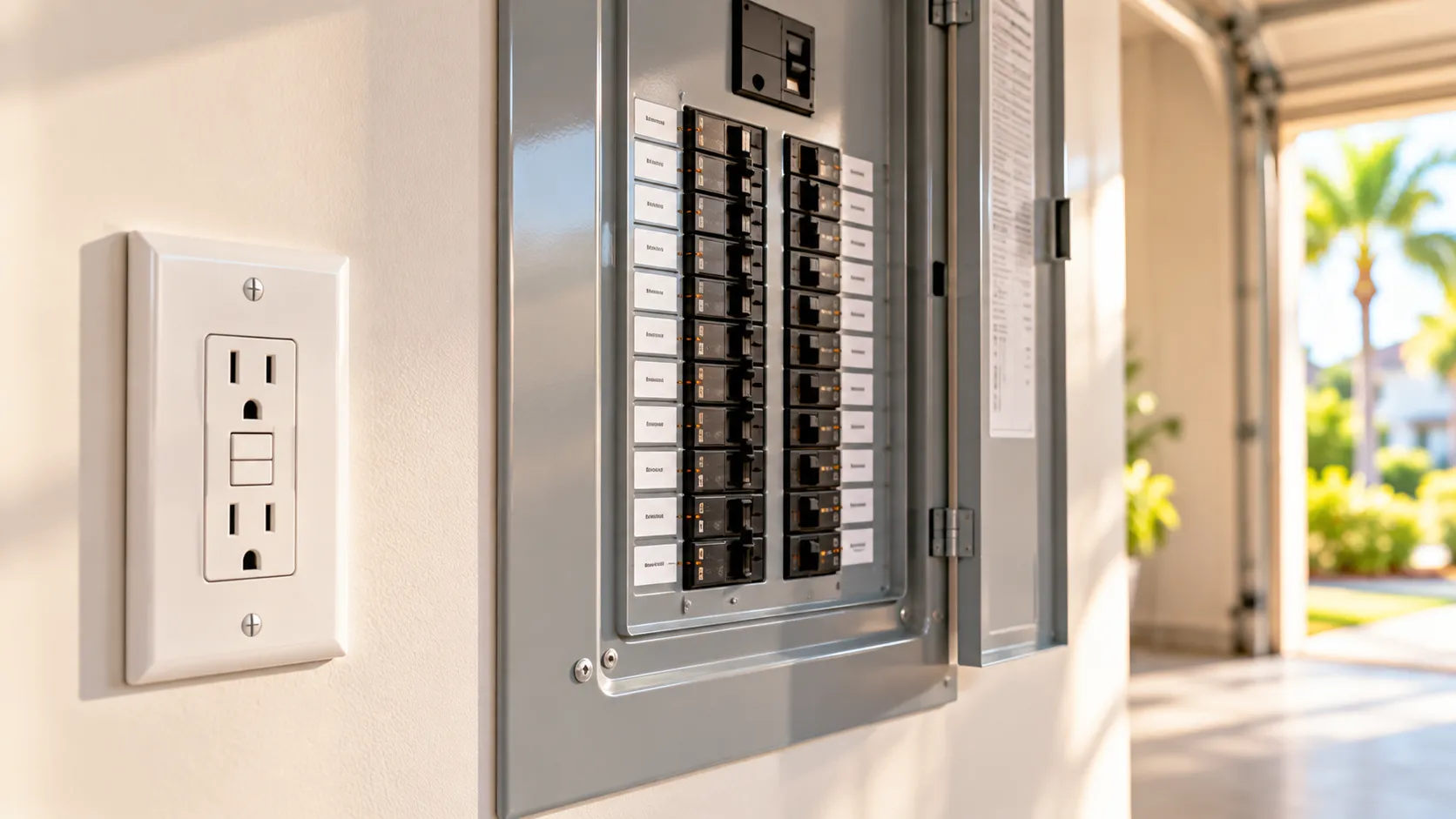
GFCI stands for ground fault circuit interrupter. Its job is to protect people. It constantly watches the electricity flowing out and coming back, and the instant it senses even a tiny amount leaking off course (say, through water, or through a person), it shuts the outlet off in a fraction of a second. That is what stops a hair dryer that falls in the sink from becoming a tragedy.
You will recognize GFCIs by their little test and reset buttons. They belong anywhere water and electricity live close together:
Kitchens (countertop outlets)
Bathrooms
Garages and unfinished basements
Laundry areas
Outdoor outlets
Anywhere near a pool, spa, or utility sink
Kitchens (countertop outlets)
Bathrooms
Garages and unfinished basements
Laundry areas
Outdoor outlets
Anywhere near a pool, spa, or utility sink
What an AFCI Does (Fire Protection)
AFCI stands for arc fault circuit interrupter. Its job is to protect your house. Damaged, pinched, or aging wiring, or a loose connection, can create a tiny electrical arc, and those arcs run hot enough to start a fire inside a wall where you would never see it coming. An AFCI recognizes that dangerous arcing pattern and cuts power before it can ignite anything.
AFCIs most often live in your electrical panel as special breakers, and modern code calls for them across most living areas:
Bedrooms
Living rooms and family rooms
Hallways
Most general living spaces
Bedrooms
Living rooms and family rooms
Hallways
Most general living spaces
There are also dual-function devices that do both jobs at once, which is why the two can seem confusing. They are teammates, not rivals.
Why This Matters More in Older Florida Homes
Here is the honest part: a lot of older homes were built before these protections were required, so they simply do not have them everywhere the code now calls for. That is not a reason to panic, but it is a genuinely worthwhile safety upgrade, especially in our humid, water-everywhere Florida life. Adding GFCI protection in wet areas and AFCI protection in living spaces is one of the most meaningful ways to make an older home safer without a big remodel.
It also tends to come up during an electrical inspection, so getting ahead of it is a smart move.
Testing Them Is Easy. Installing Them Is a Pro Job.
The safe, homeowner-friendly part: test your GFCI outlets about once a month. Press “test,” confirm the outlet shuts off, then press “reset.” It takes ten seconds and confirms your shock protection is working.
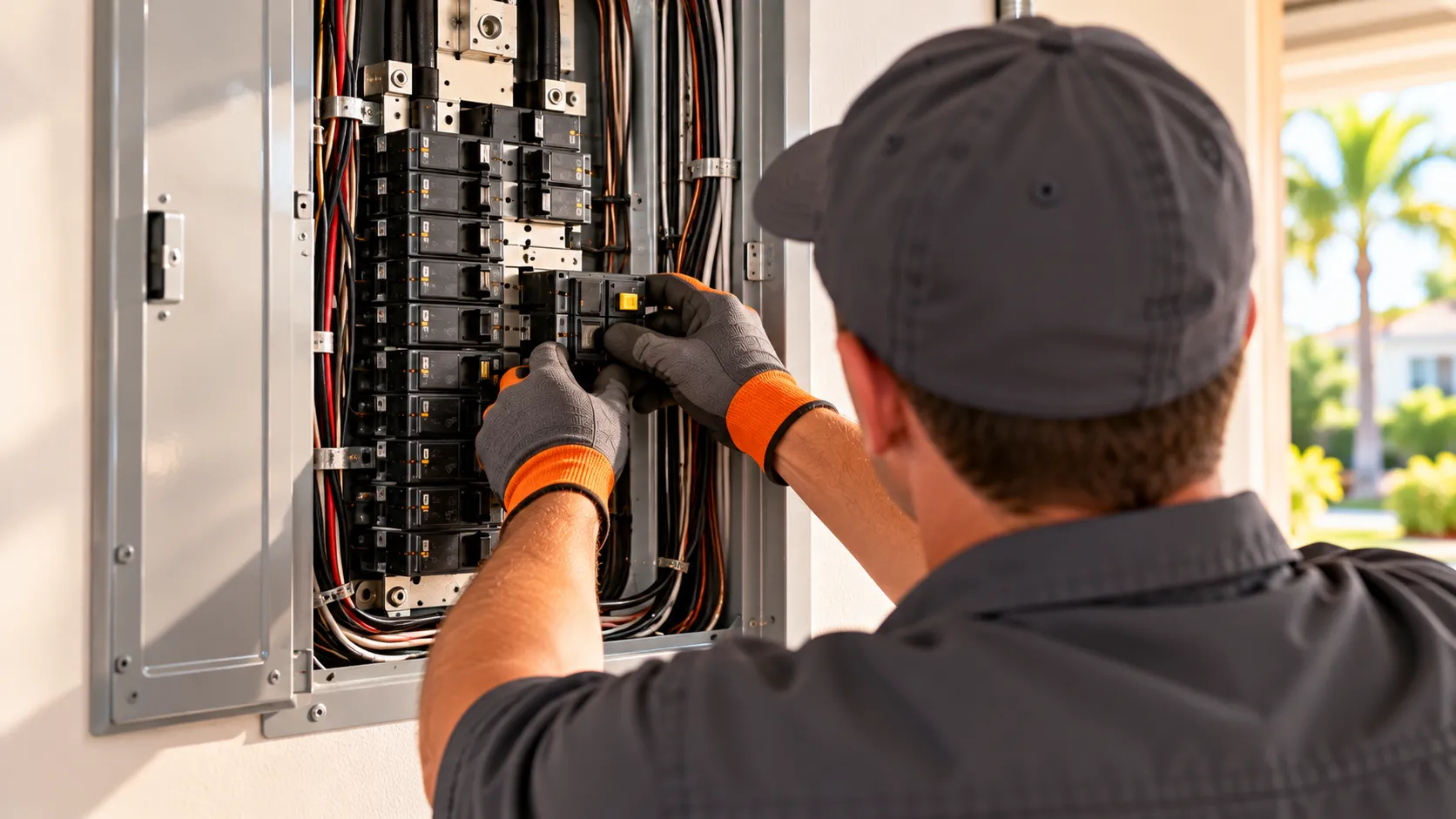
Where safe DIY ends: adding, replacing, or upgrading these devices involves your wiring and your panel, so it should be done by a licensed electrician to code. And if a GFCI or AFCI keeps tripping or will not reset, that is not a nuisance to ignore. It is the device catching something, and it is worth a professional look (we dug into that in our guide on why breakers keep tripping). The Electrical Safety Foundation International (esfi.org) is a great, trustworthy resource on how both devices protect your family.
What to Do Next
If you are not sure whether your home has the right protection in the right places, a licensed electrician can check in minutes and tell you exactly where you stand. Adding GFCI and AFCI protection is affordable peace of mind, and it is one of the easiest ways to make an older home meaningfully safer. We are family-run and licensed (Lic. EC13007179), and we will walk you through what your home needs in plain English.
WATT WANTS YOU TO KNOW
Set a reminder to press the “test” button on your GFCI outlets once a month, the same weekend you check your smoke detectors is perfect. If an outlet does not click off when you test it, or it will not reset afterward, that outlet is not protecting you anymore. That is your cue to give us a call.
WATT WANTS YOU TO KNOW
Set a reminder to press the “test” button on your GFCI outlets once a month, the same weekend you check your smoke detectors is perfect. If an outlet does not click off when you test it, or it will not reset afterward, that outlet is not protecting you anymore. That is your cue to give us a call.
Frequently Asked Questions
What is the main difference between GFCI and AFCI? A GFCI protects people from electric shock, mainly in wet areas. An AFCI protects your home from electrical fires caused by arcing, mainly in living areas. Most modern homes need both.
Can I install a GFCI or AFCI myself? Testing one is fine. Installing or upgrading them involves your wiring and panel and should be done by a licensed electrician to code, so it is safe and correct.
Why does my GFCI keep tripping? It may be doing its job by catching moisture or a fault, or the device itself may be worn out. If it trips repeatedly or will not reset, have it checked by a professional.
Do older homes need to be updated? Often, yes. Many older homes lack GFCI or AFCI protection where today’s code calls for it. Adding it is a straightforward, high-value safety upgrade.
Do you serve my area? We cover Citrus, Hernando, Pasco, North Hillsborough, and North Pinellas counties, and we are expanding into Clearwater.
Ready to Make Your Outlets Safer?
If you would like to know whether your home has the right protection in the right rooms, let us take a look. No pressure, no scare tactics, just a straight answer from your licensed local team. Power you can trust. Service you’ll recommend.
Call us Taddeo, not tomorrow! (352) 556-5276, or request your free estimate online.
About the Author
Vinnie Camenzuli, Founder & CEO of Taddeo Electric
Vinnie Camenzuli founded Taddeo Electrical Contractors in 2010, naming the company in honor of his father, Giuda Taddeo Camenzuli. “Taddeo” means “beloved” in Maltese, a nod to the family that shaped him. His parents immigrated from Malta in the 1940s and raised him on hard work, discipline, and doing the job right the first time. After getting his start in the commercial sector and learning from seasoned mentors, Vinnie built Taddeo Electric on a foundation of integrity and excellence, earning a reputation for reliable, high-quality electrical work across West Central Florida.
When he is not powering projects for his neighbors, Vinnie is usually camping, reading, or making memories with his wife and grandchildren. He is also a black belt in Goju-Ryu karate, and he brings that same focus and discipline to every job Taddeo takes on.
Taddeo Electrical Contractors, Inc. Family-run and licensed (EC13007179). Serving West Central Florida since 2010.